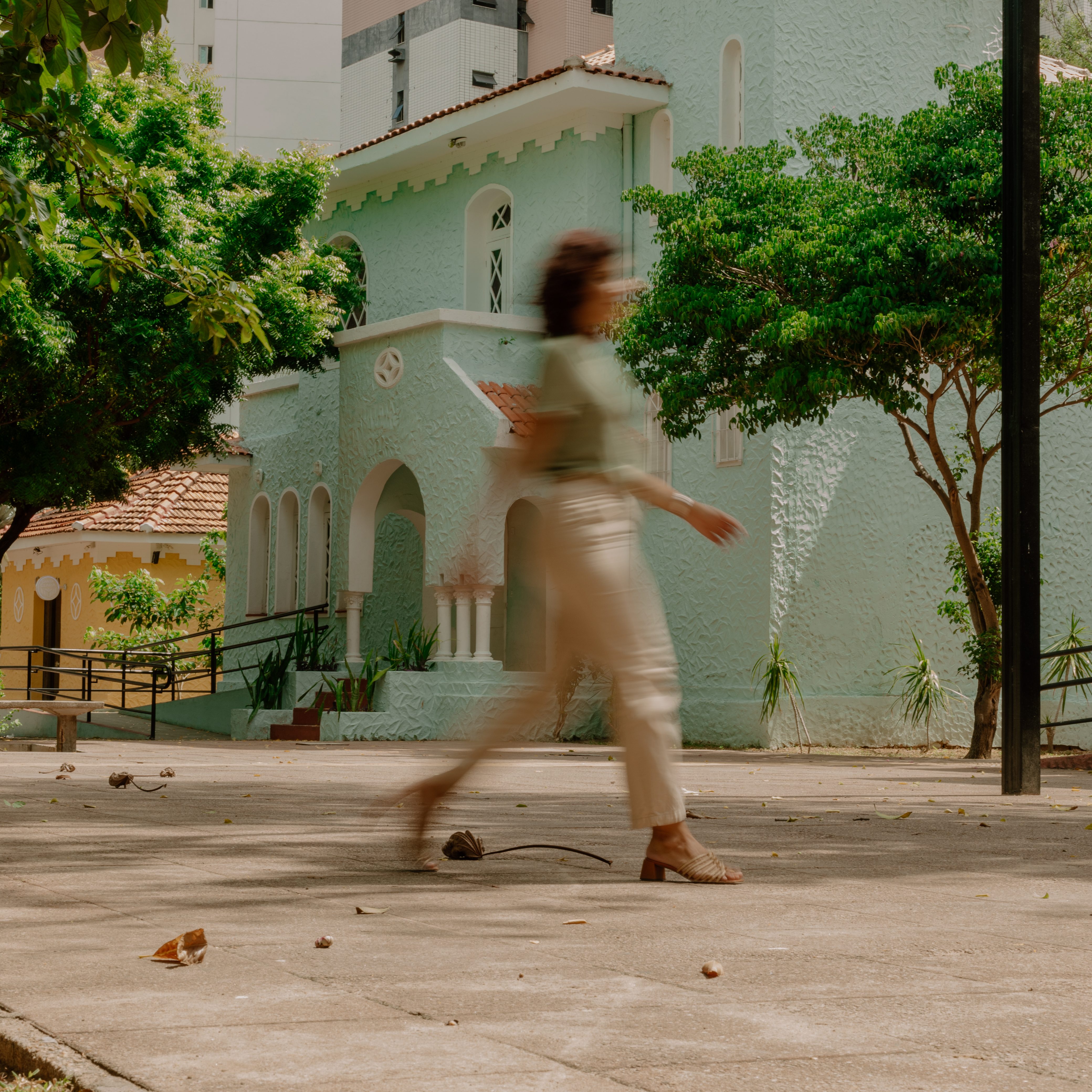
Quick question: When you think of gentrifying neighborhoods, do you ever picture sinuous streets and some houses with no cladding at all? I bet you probably don’t – but maybe you should.
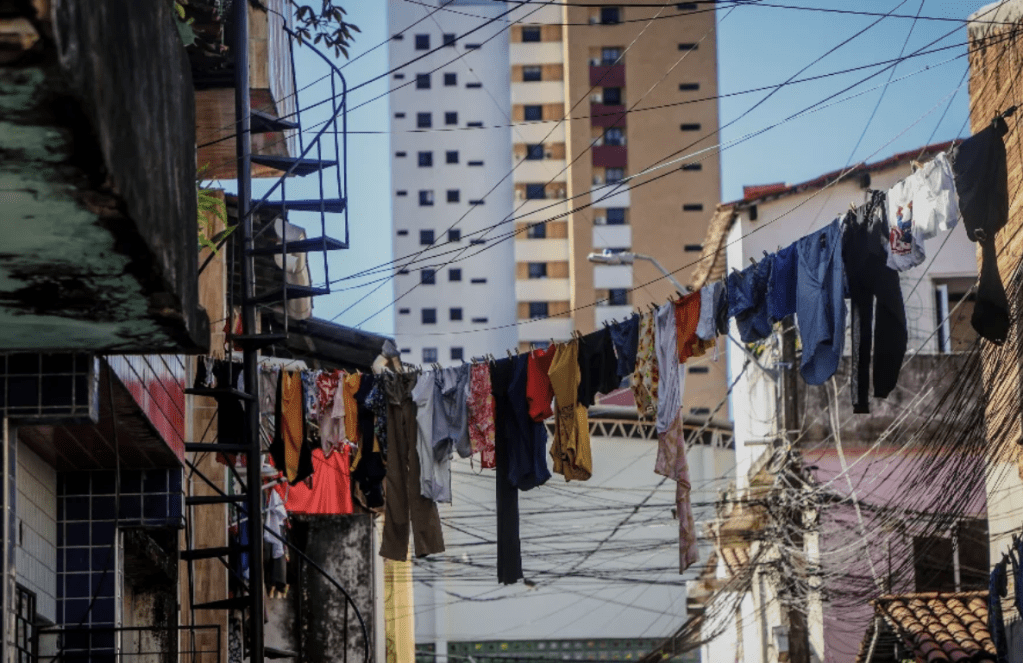
Source: Mateus Dantas
Over the last few years, while investigating gentrification in Latin American cities, I’ve been gathering some evidence on how this phenomenon seems to be shaped by the poverty and informality that are both remarkable in this part of the globe. My first clue about that came from my systematic literature review on transport-induced gentrification, since the body of papers I analyzed showed that Latin American gentrification seems to incorporate nuances that are indeed very distinct from those we observed in the Global North, where this debate was first elaborated. And just like that, I saw a real turning point coming in my PhD research, as I ended up framing this debate within contexts of informal urban development – more precisely in informal settlements impacted by transport projects, whose effects on the formal rental market are already well-known and documented.
I am aware that, to start this conversation, we need to remember that the idea of favelas and comunas as some sort of “rental refuges” has been considered outdated for a while now – as argued by authors such as Bonduki1, Baqai, Ward2, Rolnik, Guerreiro, and Marín-Toro3. More recently, a study conducted by Kristine Stiphany, Peter M. Ward, and Leticia Palazzi Perez4 reinforced this argument, as their findings showed how some kinds of housing upgrades have shaped the built environment of favelas in São Paulo through different strategies they associate with the informal rental market. Ultimately, these findings undermine the comprehension of such settlements as exclusively owner-occupied dwellings.
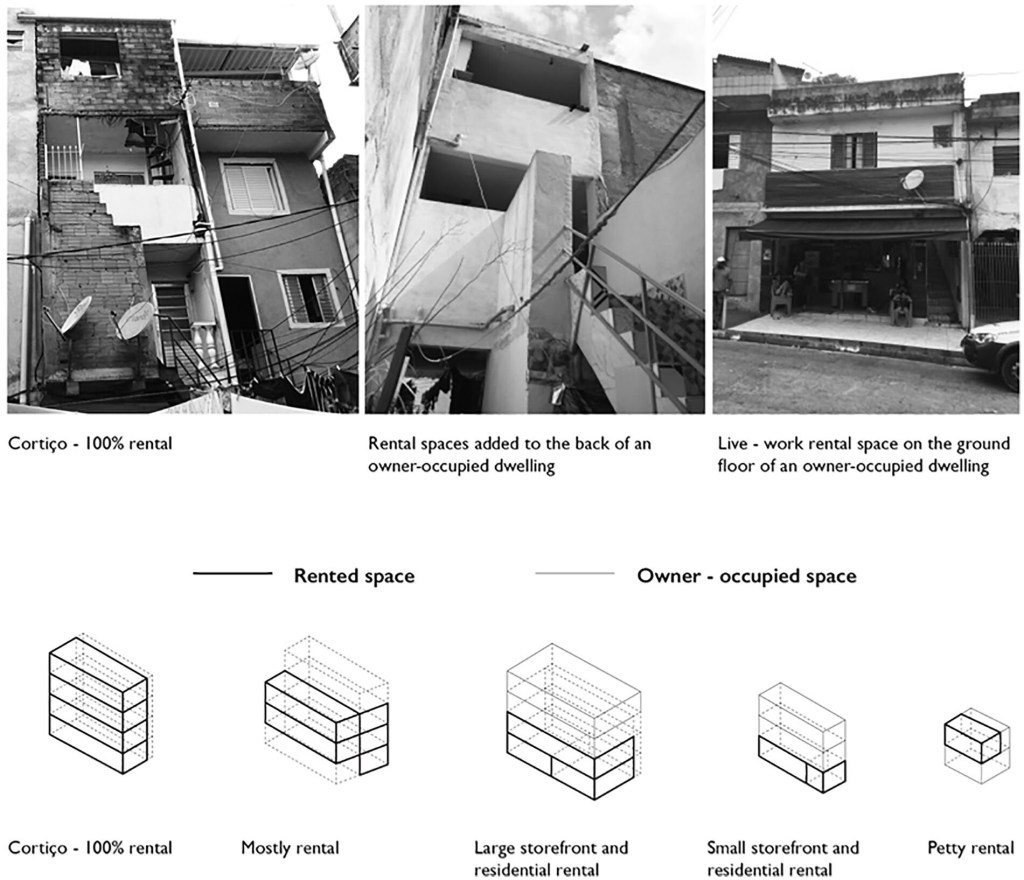
Source: Kristine Stiphany et al (2024)
It sounds clear to me that, in those settlements, rental arrangements are not processed through formal property registries, nor do they follow the good practices of real estate markets. However, one unquestionable fact is that the stock of affordable housing in the Global South relies on different pillars, such as the rental of low-standard studios or “quartinhos” (petty rooms), as well as the self-construction of extra units, to name a few. Some of my preliminary findings reinforce that, as the community I study in my hometown (Fortaleza, Brazil) contains a few cases of self-improved dwellings with newly added rental units. As a side note: I hope to share some details on that very soon.
That being said… yes, I do believe that we shouldn’t dismiss the possibility of displacement happening in those places as a result of landlordism, especially when we take into account informal settlements near key urban areas or wealthier neighborhoods – who has never never seen that famous picture of a favela beside a high-end condo in São Paulo?
However, at this point, one could wonder:
Okay, but..slum gentrification5?
The main reason behind this sense of estrangement is, I suppose, the difficulty of imagining upper-class people moving into precarious areas, right? Personally I must say that I agree with that, as there is this reluctance among wealthier groups toward the idea of living in neighborhoods where people with largely different income backgrounds live6. However the idea of a gentrifier as someone slightly more affluent (or slightly less poor) seems to fit well with the Latin American debate. And that is exactly what I have observed during my investigations: people who make a little more money and who may have higher educational backgrounds (as in the case of those who attended college or even university – mostly due to public policies) but are far from composing the middle class are the ones who are likely to be gentrifiers in such a scenario.
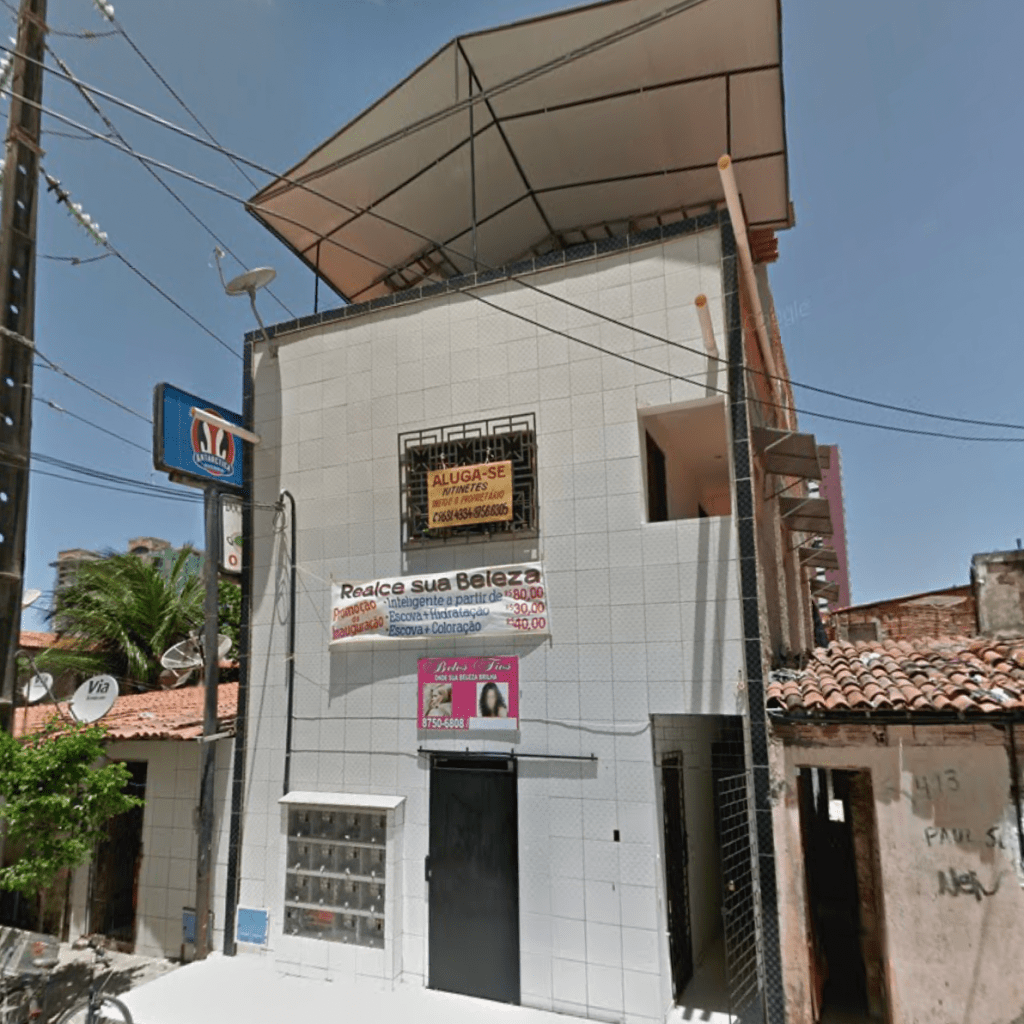
In Fortaleza (my hometown and where my case study takes place), this phenomenon seems to assume a regional dimension, cutting across formal and informal territories. It goes somehow like this: as the formal housing market pushes forward the urban frontier as analogized by Neil Smith7, and approaches informal settlements, we can see these communities’ surroundings change, which poses new dynamics for them. It is a new fence being built and, due to the juxtaposition, these communities become more appealing for other low-income groups. In the end, the influx of unrelated and slightly wealthier new residents leads to discussions quite similar to those elaborated in the North. What emerges as relevant issues are the disruption both of social ties and the sense of community, as well as the threat of displacement – after all, the demand/supply logic also exists in the informal city.
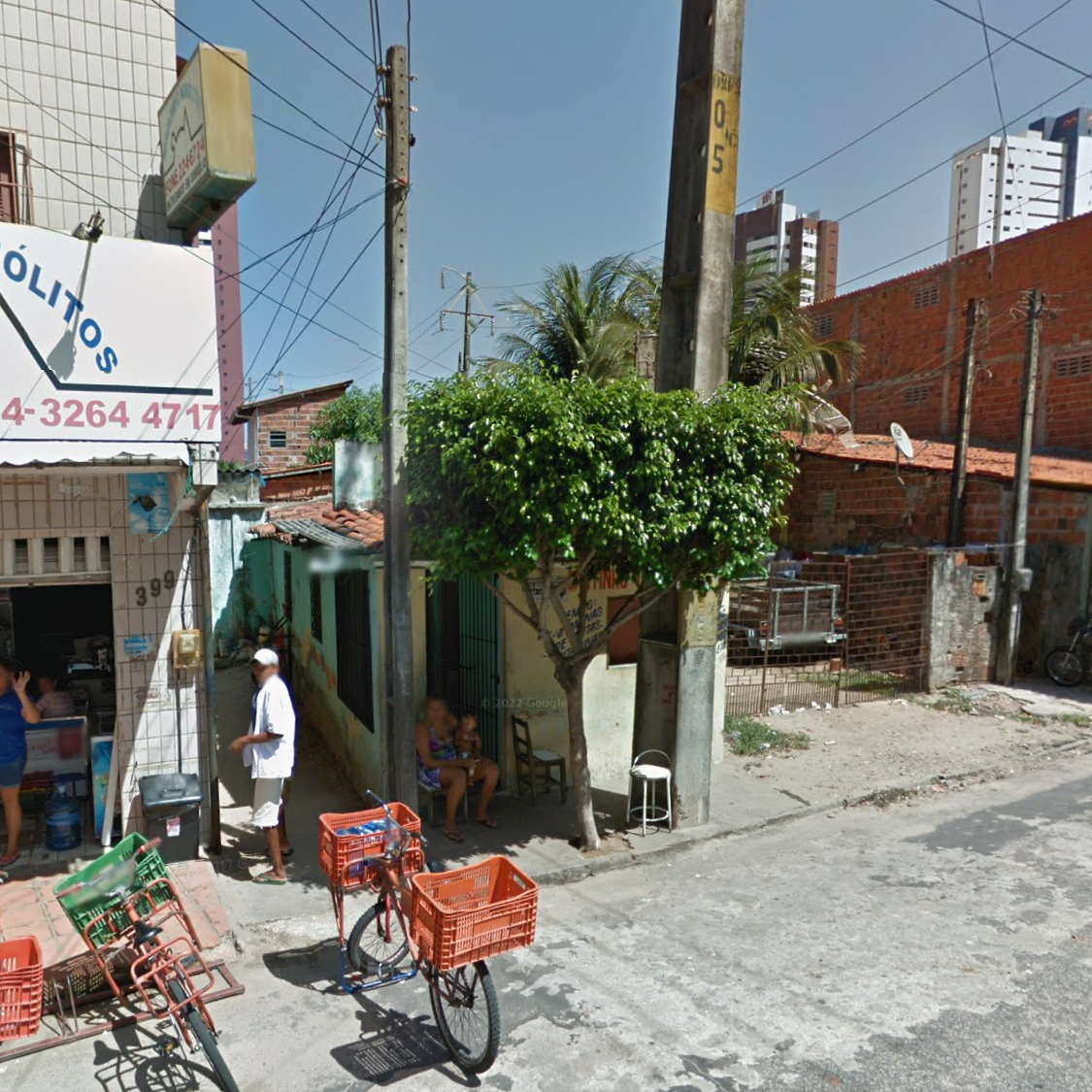
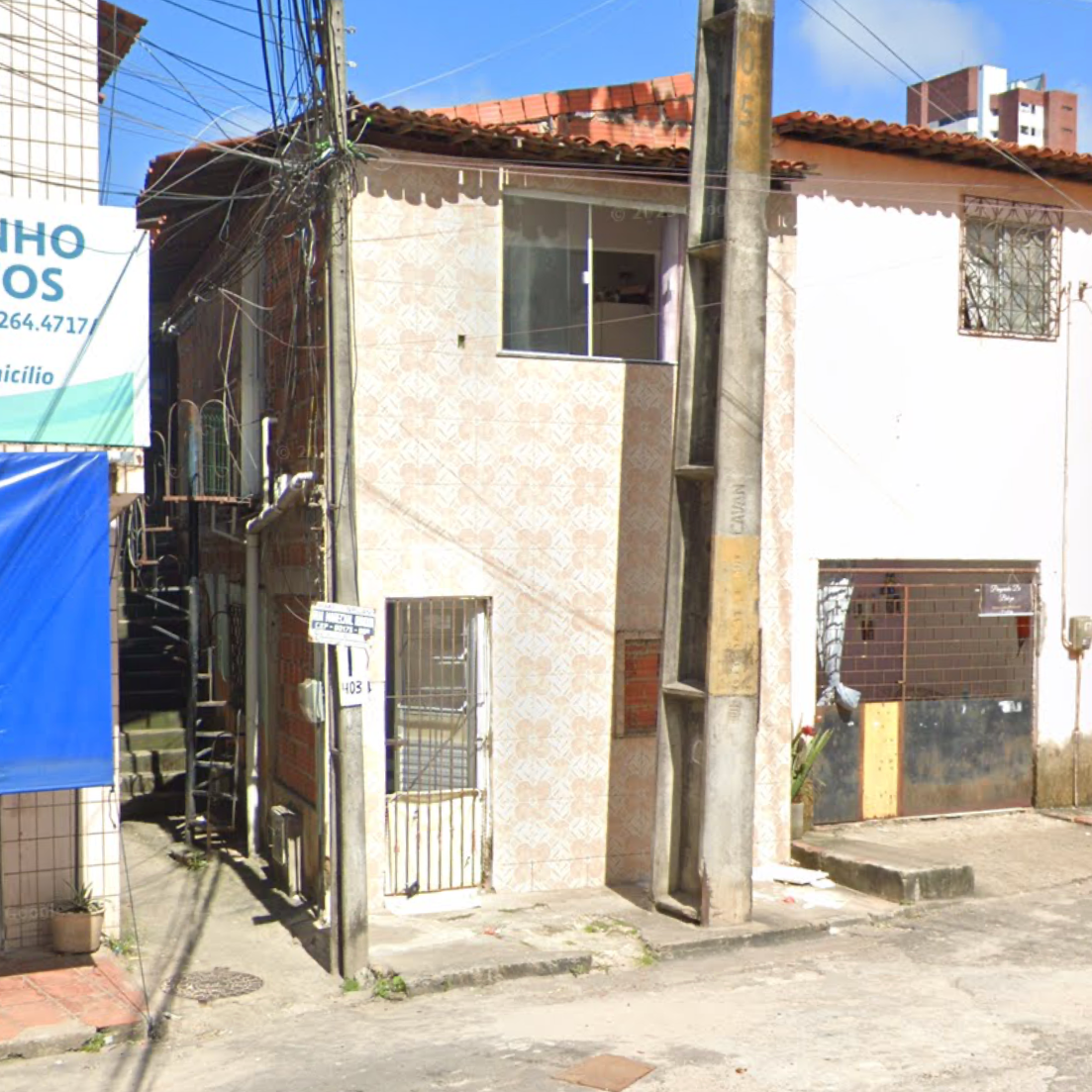
of Fortaleza (Brazil). Source: Google Street View.
And what should we do?
Before trying to answer this, I take two steps back and wonder: who could have the answer to that? Me, as an urban planner and early-career researcher, or the grassroots movements?
Although I am much more inclined to bet on community-based knowledge, I believe that a joint construction may be much needed, bringing together grassroots movements and academics. Not because we, as a class, hold a monopoly over problem-solving abilities, as some still believe, but rather because we can serve as a source of ignition, helping to spark and connect spaces of debate. This is because, so far, I have not seen the fight against rising rents emerge among popular struggles in Latin America, as grassroots movements here bravely confront issues that may be unfamiliar in other contexts. After all, evictions and expropriations are far more frequent headlines in the Global South.
Returning to the attempt to sketch an answer, I refer to the idea of Community Land Trusts (CLTs), whose role has become increasingly well known in countries where debates on gentrification and displacement already form part of public discourses. Basically, organizations operating under the CLT logic buy properties and remove them from the formal market. Typically, these organizations raise funds through crowdfunding, and the central idea is to make the acquired housing units available at more affordable prices, preferably allocating them to long-term neighborhood residents. After all, we are talking about a group that is particularly susceptible to experiencing market-induced displacement.
In Toronto (Canada), a city that has become emblematic when it comes to inequality and gentrification, the case of the Kensington Community Market Land Trust emerges as a valuable source of inspiration. However, just as I do not advocate for importing the term “gentrification” without any effort at contextualization, I make it clear that I also do not believe in importing solutions ipsis litteris. It is necessary to reflect on the creation and design of housing models that can be sustained over time and across space, opening this debate to different stakeholders. Above all, it is necessary to seek solutions that break with the status quo and are, therefore, innovative in this regard.
It is really worth remembering that, in Latin America, non-profit organizations have been carrying out equally valuable work under different labels, providing dignified housing for vulnerable families. In São Paulo, for instance, the information made available by Fundo Fica reveals that the institution manages 12 residential properties to this date, contributing to the removal of 1,340 square meters from the speculative market. However, despite the joy of seeing an initiative like this take shape on Brazil, the truth is that we still have a long way to go on this agenda. It is necessary to invest in it not only academically, but also politically, moving across the territories that make up our social and urban reality. And favelas and comunas certainly do.
All of this said, I conclude this text with a call, a manifesto, reminding us that the place and time to theorize and act is here and now.
- Bonduki, N.G., 1994. Origens da habitação social no Brasil. Análise Social, 29(127), pp. 711–732. Disponível em: https://www.jstor.org/stable/41011028 (Acesso em: 31 Jan. 2026). ↩︎
- Baqai A., Ward P. M. 2020. “Renting and Sharing in Low-Income Informal Settlements: Lacunae in Research and Policy Challenges.” Current Urban Studies 8:456–83. ↩︎
- Rolnik, R., Guerreiro, I.D.A., Marín-Toro, A., 2021. El arriendo -formal e informal- como nueva frontera de la financiarización de la vivienda en América Latina. Revista INVI 36, 19–53. https://doi.org/10.4067/S0718-83582021000300019 ↩︎
- Stiphany, K., Ward, P.M., Perez, L.P., 2024. Informal Settlement Upgrading and the Rise of Rental Housing in São Paulo, Brazil. Journal of Planning Education and Research 44, 1367–1385. https://doi.org/10.1177/0739456X211065495 ↩︎
- Ascensão, E. (2018). Slum gentrification. In: Lees, Loretta, Phillips, Martin (eds.). Handbook of Gentrification Studies. Cheltenham: Edward Elgar. Cap. 14, p. 225-246. ↩︎
- Owens, A., 2012. Neighborhoods on the Rise: A Typology of Neighborhoods Experiencing Socioeconomic Ascent. City & Community 11, 345–369. https://doi.org/10.1111/j.1540-6040.2012.01412.x ↩︎
- Smith, N., 1996. The new urban frontier: gentrification and the revanchist city. Routledge, London, New York. ↩︎

![[pt] O caso de Campos Elíseos em São Paulo](https://rebecadeassis.com/wp-content/uploads/2024/10/4-edited.png?w=1024)
 Rebeca de Assis
Deixe um comentário